
Start by defining purpose, Goals, and Audience
Get clear on why you’re holding the event and what success looks like. Is it a corporate gathering, a launch, a celebration, or a wedding? A clear purpose helps steer all subsequent decisions, including budget, agenda, venue choice, and guest list.
Next, identify your target audience: their background, age range, interests, professional roles or relationships to the event. Organizers who deeply understand their audience often produce more engaging and relevant events. Research shows 49% of marketers consider audience engagement the most critical factor for event success.
Set Budget, Timeline and Assign Roles
No event succeeds without financial and time planning. Begin by drafting a realistic budget that covers all major cost categories: venue rental, catering, A/V and technical support, decoration, guest registration or invitations, contingency costs, and optional extras. This breakdown helps you see where your funds are going and what needs early commitment. 78% of planners cite budget constraints as the biggest challenge.
Meanwhile, choose your dates early to avoid peak seasons if possible as demand tends to push up venue and vendor pricing drastically. Assign clear responsibilities, such as who handles venue, catering, guest communication, and on-site logistics. Clear delegation helps avoid confusion and ensures nothing is overlooked.
Choose the right venue — location, layout & amenities matter
The choice of venue can significantly influence attendees’ overall experience. Here’s what to check when selecting:
- Capacity & layout flexibility: Make sure the space fits your guest list comfortably, and supports different layouts (theatre, banquet, cocktail, mingle etc.) depending on the event format.
- Built-in amenities: A venue that already offers sound/PA system, basic lighting, projector/screen help to reduce the need to rent additional equipment and simplify logistics.
- Transparent, all-in-one packages: Venues with bundled packages (space + basic amenities + seating) help planners avoid hidden extra costs.
- Accessibility & guest convenience: Ensure easy transport access and parking options for your attendees. This guarantees a smooth guest arrival and departure, especially for bigger events or guests from different areas.
- Venue ambiance & flexibility for styling: A venue with clean lines and neutral interiors gives you flexibility. This allows you to achieve your desired look without needing heavy decor expenses.
These checks ensure the venue is a partner in your event success, not a variable that complicates everything.
Build a detailed vendor & services plan
Once the venue is confirmed, it’s time to lock in your vendors and services. This should include:
- Catering / F&B: Confirm menu, dietary restrictions, cultural or religious needs, servings per head, timing (meals, snacks, breaks). Good catering often plays a major role in guest satisfaction and overall experience.
- Decor & styling: Confirm table settings, lighting ambience, signage, etc.
- Entertainment / programme flow: If there’s speeches, live music, presentations, or interactive segments, make sure to schedule them clearly.
- Logistics & guest flow: Seating arrangements, crowd flow, guest registration, arrival/departure plans. Good logistic planning often distinguishes memorable events from chaotic ones.
- Contingency & backup plan: Always allocate a buffer for unexpected costs or last-minute changes. This is especially important for events involving external vendors or higher guest counts. Having backup options or flexible plans helps mitigate risks and keep things under control.
Timing & pre-event scheduling — set the timeline early
A successful event relies on good timing. For medium-to-large events, start planning 4–6 months ahead; 2–3 months may suffice for smaller events, so you have time to:
- Fix venue and vendors
- Confirm guest list
- Design decor / theme
- Send invites / RSVPs
- Prepare run sheet / programme flow
- Finalise seating / layout / guest logistics
Budget management — allocate smartly and monitor expenses
Get multiple quotations for major items like the venue, catering, and decor to compare costs fairly. You should also keep a budget spreadsheet to monitor your actual spending against your estimates. This simple habit helps you avoid overspending. It also highlights exactly where you can make savings.
On the day — coordination & guest experience
On the event day itself, ensure:
- Setup starts early (venue layout, seating, lighting/AV check)
- Designated team/person coordinates vendors (catering, seating, décor, sound)
- Guest flow is clear: registration, entry, seating, transitions, exit
- Backup plan is ready (for delays, extra guests, cancellations, technical issues)
- Guest comfort: signage, clear directions, proper lighting/sound, waste management
A well-organized venue and a coordinated team make the day smooth, memorable and stress-free.
Think holistically, plan intentionally
Turning an event idea into reality doesn’t have to be chaotic. With a clear purpose, structured checklist, smart budget allocation and the right venue, you can create memorable experiences that balance quality, emotion, and practicality.
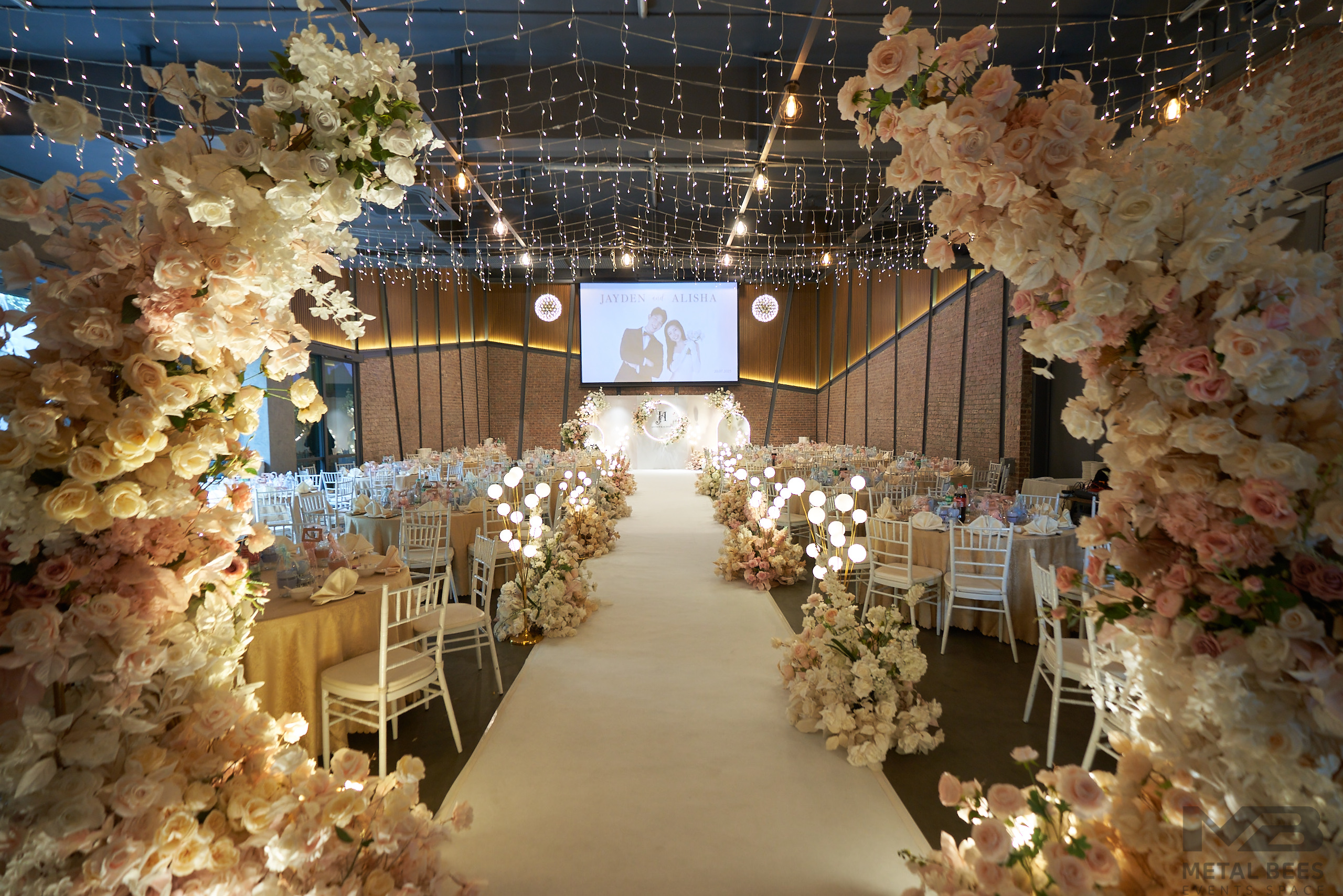
Take a look at venues in KL and PJ that offer amenable layouts and modern facilities. Metal Bees Events Space is a versatile event venue in PJ that works perfectly for weddings, dinners, and corporate events.
If you’d like to learn more about the spaces or check availability, you’re welcome to contact our team for assistance.
References
- Markletic. Virtual Event Statistics: The Ultimate List for 2024. 2024. Available at: https://markletic.com/blog/virtual-event-statistics/
- ZipDo. Event Planning Industry Statistics (Updated). 2024. Available at: https://zipdo.co/event-planning-industry-statistics/