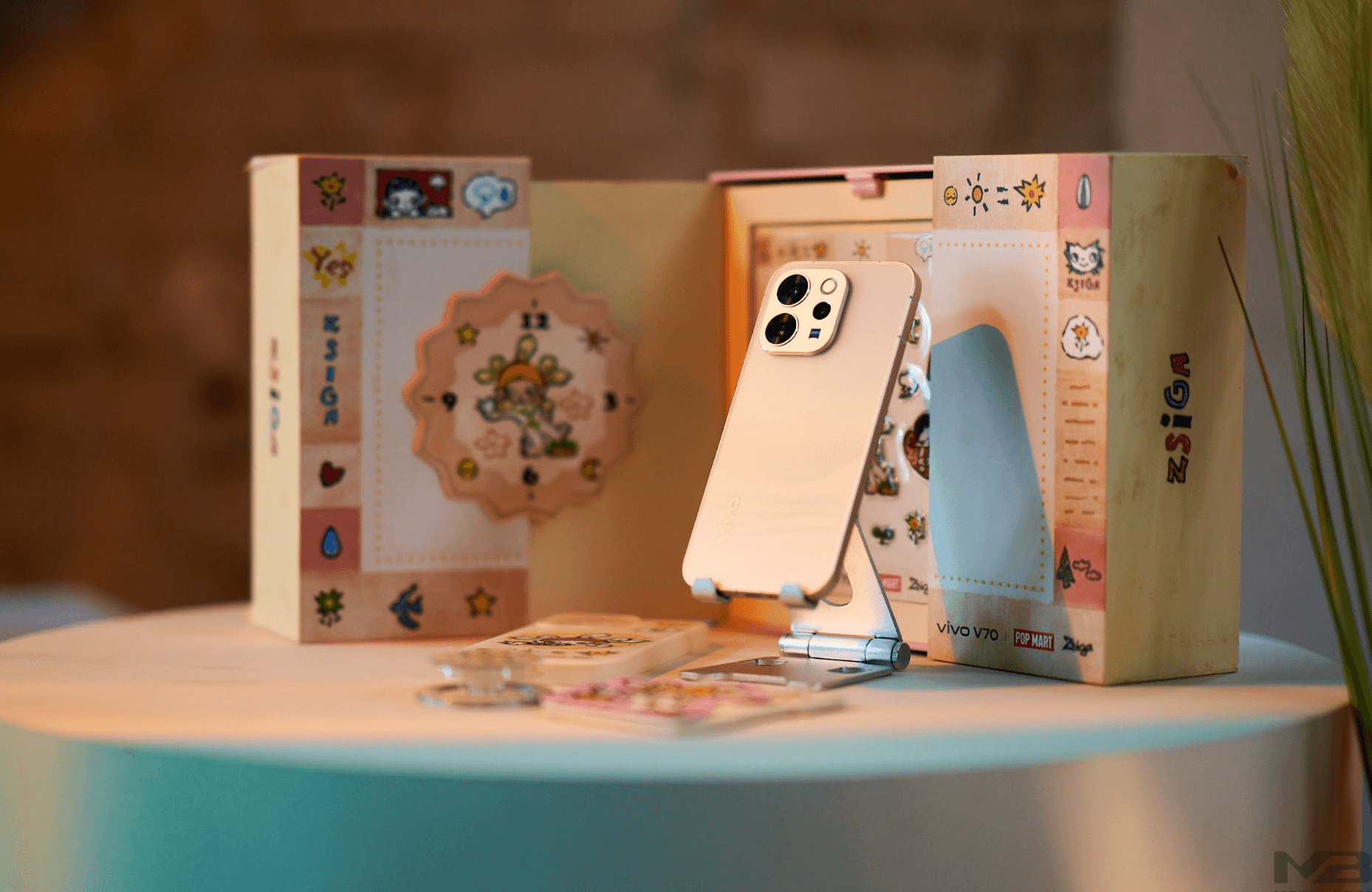
A product launch built around interactive stations and live performances isn’t really one event. It’s several things running at once: a stage, activation zones, a lounge area, and guests moving between them. The venue has to support that movement. Most rooms are built to seat everyone facing one direction. This kind of launch needs something different.
Why a Single Stage-and-Seating Layout Falls Short
Most function rooms are built around one focal point. A stage everyone faces, with rows or round tables filling the rest of the room. That works for a keynote. It doesn’t work when guests are meant to wander between a demo station, a photo moment and a performance area over the course of an evening. The room needs to support several things happening at once. A demo running here, a photo moment there, a performance somewhere else, all at the same time.
What to Look for in a Venue for an Interactive Product Launch
- Can the floor be split into distinct zones — stage, activation stations, lounge — without feeling chopped up?
- Is the lighting flexible enough to shift between a presentation moment, a performance, and ambient mingling?
- Is there room for guests to circulate between zones without everyone bottlenecking near the stage?
- Can the AV system run a live performance and background audio at the activation stations at the same time, without one drowning out the other?
- Is there a clear sightline from most of the floor to the main stage for the reveal moment?
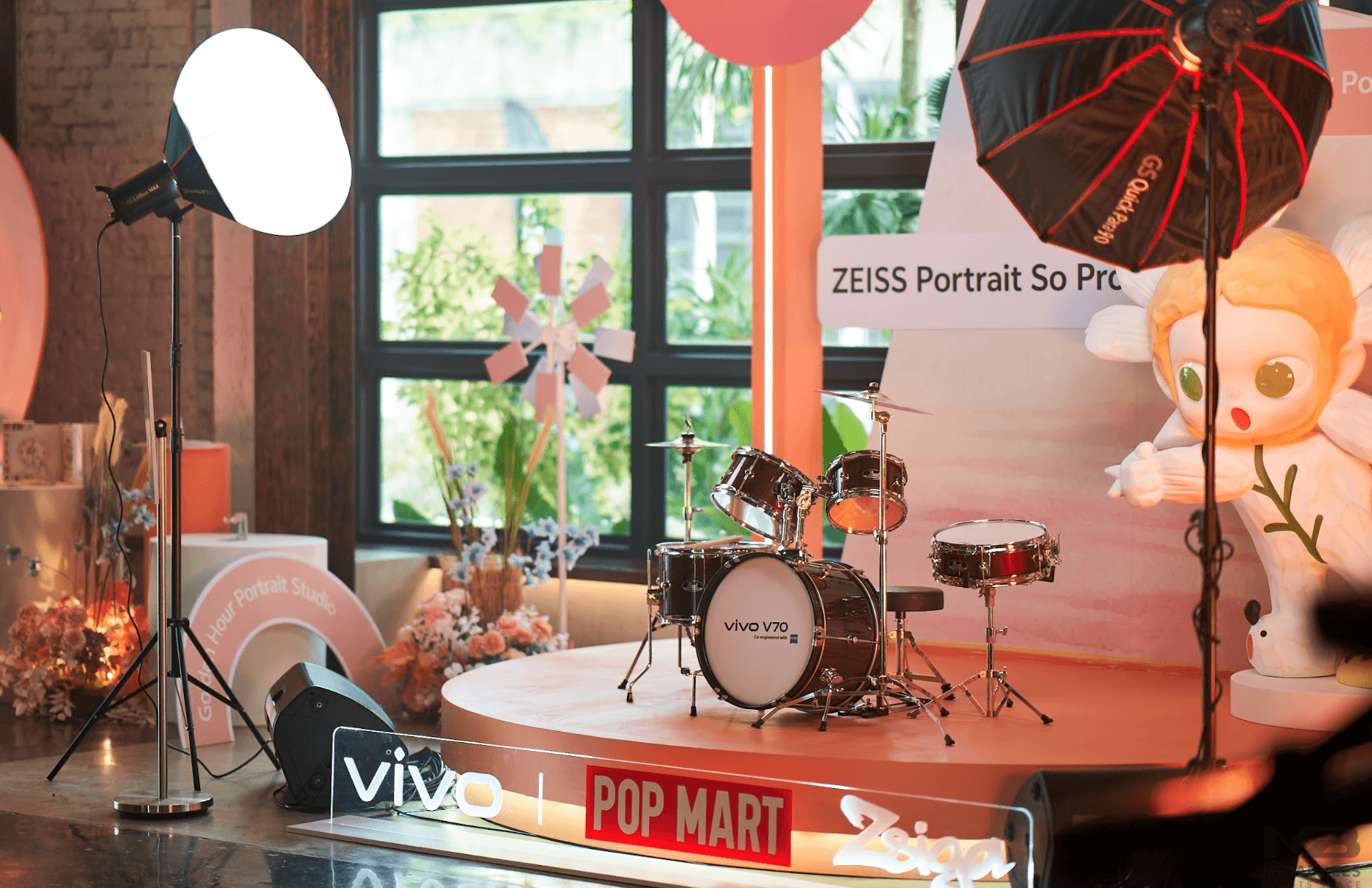
The Venue Should Work With the Theme
A themed launch works better when the room gives the design somewhere to go. A heavily
A decorated hotel ballroom can make it harder. The carpet, chandeliers and wallpaper are already part of the room’s look before you add anything of your own. A neutral industrial space gives you more room to build the theme around the product instead.
Natural light can help too. A hall with a glass roof or large windows can feel bright during the day, then take on a completely different look once the event lighting comes on in the evening.
Staging and Flow for Multi-Zone Launches
Staging for Live Performances
Confirm ceiling height, rigging points and power access before booking a performance slot. Live acts also need a backstage or holding area to prep in, and enough soundcheck time before doors open. Ask the venue directly what’s available rather than assuming everything except the stage itself.
Keeping Activation Zones From Colliding
Space activation stations far enough apart that their audio and lighting don’t bleed into each other. It sounds obvious until three interactive booths are running three different soundtracks two metres apart.
Sort These Details Out Before Launch Day
- Map out zones on the floor plan before booking décor or staging — the space itself decides how many zones actually fit.
- Check where the power points are before the floor plan is finalised. Activation stations and performance gear both need reliable access, not extension cords running across a walkway.
- Confirm whether the venue’s existing lighting can support your theme, or whether you’re bringing in your own rig.
- Walk the guest flow from entrance to stage to activation zones so nothing bottlenecks at one pinch point.
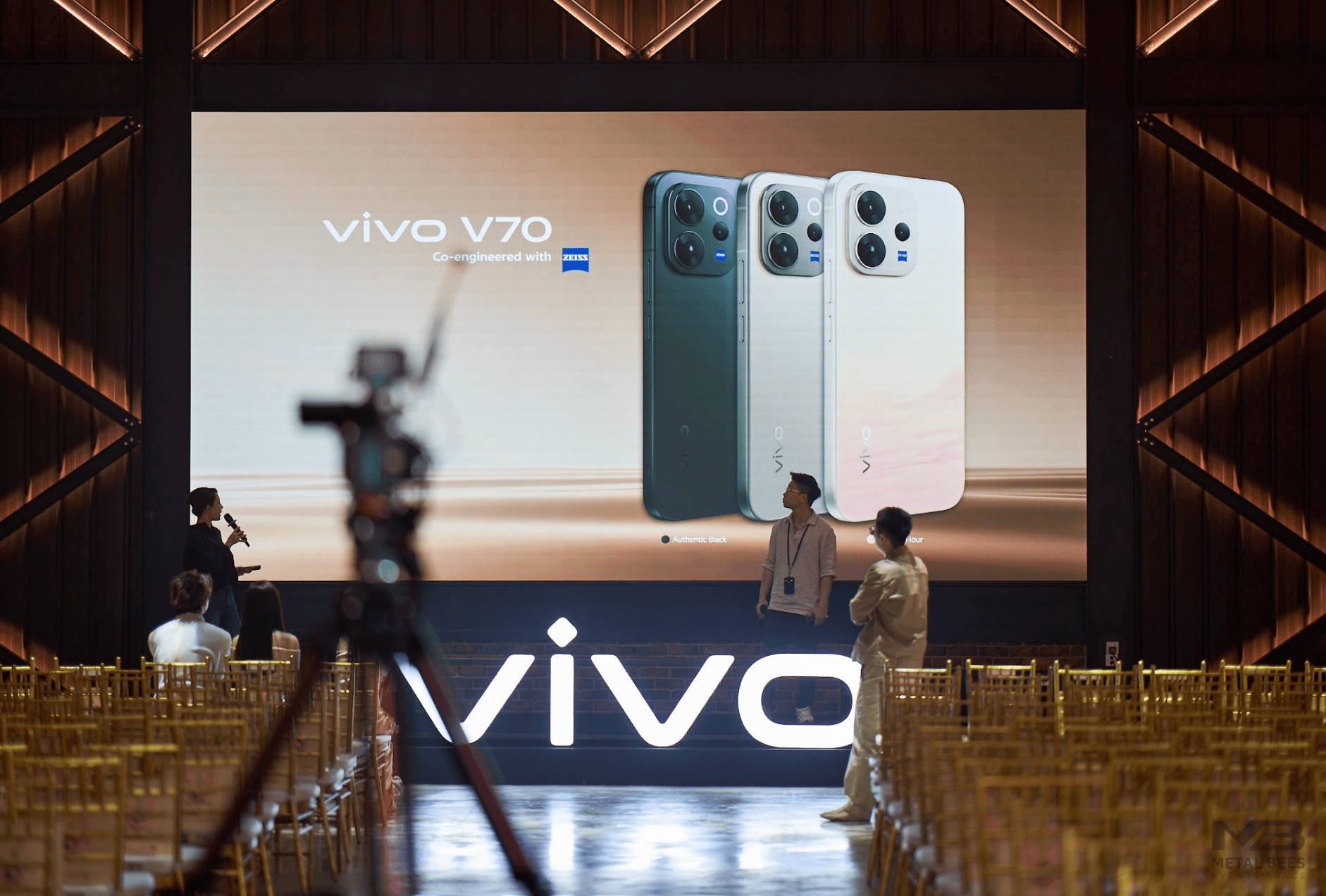
At Vivo’s V70 launch at Metal Bees, Edenmill was used for interactive activities and live performances around the “Golden Hour” theme, with more than 300 media, KOLs and industry guests attending. With more than 300 media, KOLs and industry guests attending.
Reference:
Malaysia smartphone market share data via TelecomLead, citing Omdia. (Verify the exact reporting period/quarter before publishing — market share figures shift often.)